
How to Adjust to Your New Home After a Long-Distance Move
You’ve arrived, your boxes are unloaded, and the long journey is over — but now comes the next challenge: adjusting to your new home.
Moving long-distance isn’t just about logistics; it’s also about settling emotionally, mentally, and practically into a new environment. Whether you’ve moved for work, family, or a fresh start, the first few weeks can feel overwhelming.
In this guide, Brilliant Removals London shares expert strategies to help you adapt quickly, stay organised, and make your new home feel truly yours.
Unpack Strategically, Not Hastily
It’s tempting to open every box immediately, but a structured unpacking plan saves time and energy.
Unpacking Priority Table
| Priority Level | Items to Unpack First | Why It Matters |
| High | Bedding, toiletries, kitchen essentials | Comfort and functionality |
| Medium | Clothes, electronics, home décor | Helps you settle faster |
| Low | Books, decorations, non-essentials | Can wait until the weekend |
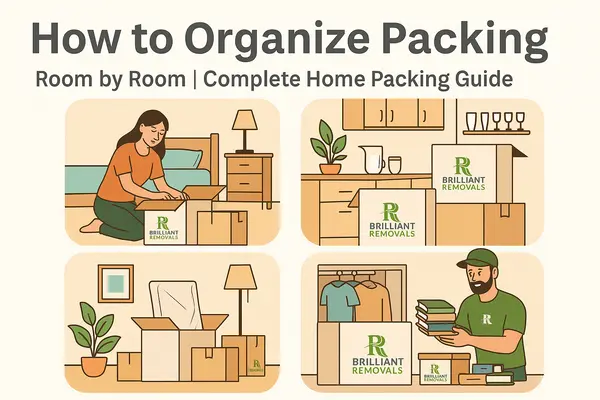
Pro Tip: Focus on setting up one room at a time — starting with the bedroom and kitchen — so you can relax at the end of each day.
Familiarise Yourself with the Area
Getting to know your new surroundings helps you feel at home faster.
Checklist for Settling into a New Neighbourhood
- Visit the nearest grocery stores and pharmacies
- Register with a local GP or dentist
- Locate the nearest petrol station and public transport stops
- Walk around to find cafés, gyms, and parks
- Introduce yourself to neighbours and local shop owners
A friendly introduction can go a long way — it creates a sense of belonging and builds a local support network.
Register and Update Essential Services
Moving to a new location often means new service providers. Within the first week, update or register for the following:
- Council tax and utilities (electricity, water, gas)
- Internet and TV subscriptions
- Postal redirection and address updates
- Car insurance and vehicle registration
- Local school enrolment (if applicable)
Pro Tip: Use a spreadsheet or checklist app to track which services you’ve updated — it prevents missed bills or important mail.
Create a Comfortable and Familiar Space
Your new house might not feel like “home” immediately — and that’s okay.
Add familiar touches to help ease the transition:
- Unpack personal décor like photos, favourite cushions, or plants early.
- Use a familiar scent — like your old candles or air fresheners.
- Arrange furniture similarly to your old layout if possible.
- Play your favourite music while unpacking to create positive energy.
These small steps make a big emotional difference after a long-distance relocation.
Establish a Daily Routine
A stable routine helps reduce stress and gives structure to your days.
Start with simple habits:
- Set a consistent wake-up and bedtime
- Schedule meals around your usual times
- Take short walks around your neighbourhood
- Keep your work or study area organised and quiet
Routine helps both adults and children feel grounded after a move — especially if you’ve relocated across time zones.
Meet the Neighbours and Get Involved
Feeling isolated in a new place is normal — but it’s easy to overcome by being proactive.
Ways to Connect Locally
- Attend community events or meet-ups
- Join local social media groups or forums
- Volunteer for neighbourhood or charity initiatives
- Visit a local café or gym regularly — familiarity builds connections
Pro Tip: If you have kids, participating in school or sports events helps both you and your children integrate faster.
Take Care of Your Mental and Emotional Health
Long-distance moves can be emotionally draining. Feeling homesick or disconnected is normal in the first few weeks.
Coping Strategies:
- Stay in touch with friends and family via video calls.
- Keep a journal to track your emotions and progress.
- Create new rituals — like a Friday night walk or Sunday breakfast spot.
- Don’t pressure yourself to adjust instantly — take it one step at a time.
Remember: Settling into a new home is a journey, not a race.
Get to Know Local Transportation and Routes
Whether you drive or rely on public transport, understanding local routes makes your life smoother.
| Mode of Transport | Action Step |
| Driving | Update your GPS apps and check for parking zones or permits |
| Bus/Train | Learn local timetables and get travel cards (Oyster, etc.) |
| Cycling/Walking | Explore scenic routes and nearby cycle lanes |
Exploring the area by foot also helps you discover hidden gems like bakeries, parks, or shops.
Re-establish Professional and Social Networks
If you’ve moved for work or study, build your network early.
Attend office gatherings, coworking events, or networking meetups.
If you’re working remotely:
- Join online local groups for professionals
- Try coworking spaces for a social environment
- Explore local business communities for collaboration opportunities
Connections make your new city feel less like a strange place — and more like home.
Summary
Adjusting to a new home after a long-distance move takes patience, planning, and positivity.
By focusing on one area at a time, staying connected, and adding familiar touches, you’ll transform your new house into a comfortable, welcoming home in no time.
At Brilliant Removals London, we don’t just move your belongings — we help you start fresh with confidence and peace of mind.

 Google 5.0


