Moving to London? Everything You Must Know
Thinking of moving to London? Whether you’re relocating for work, education, or a change of lifestyle, London offers endless opportunities — but it also comes with challenges that every newcomer should know about. From understanding living costs to navigating transport, housing, and hidden moving fees, being prepared is the key to settling in smoothly.
In this guide, we’ll cover everything you must know before moving to London, along with insider tips, cost breakdowns, and links to helpful moving resources to make your transition easier.
Why Move to London?
London is more than just a capital city — it’s a global hub for culture, business, art, and education. People from all over the world are drawn to its dynamic energy and diverse communities.
Here’s why so many people choose to call London home:
- Career Opportunities: London houses major financial, tech, creative, and professional industries.
- World-Class Education: From Imperial College to UCL, London offers top-tier universities.
- Culture and Lifestyle: Theatres, galleries, music, and international cuisine make it a cultural hotspot.
- Green Spaces: Despite being a bustling metropolis, London boasts stunning parks like Hyde Park, Hampstead Heath, and Richmond Park.
That said, living in London requires realistic expectations — it’s busy, expensive, and competitive. Let’s break down what you must know before making the move.
Understanding London’s Housing Market
Renting in London
Housing is one of the biggest challenges when moving to London. Rent prices vary dramatically depending on the area. Here’s a quick overview:
| AREA | TYPE | Average Monthly Rent (1-Bed Flat) |
| Central London (Zone 1) | Luxury/City living | £2,000 – £3,000 |
| Zone 2–3 (Clapham, Hackney, Islington) | Trendy, urban areas | £1,400 – £2,000 |
| Zone 4–6 (Croydon, Wembley, Barking) | More affordable | £1,000 – £1,400 |
Housing is one of the biggest challenges when moving to London. Rent prices vary dramatically depending on the area. Here’s a quick overview:
Planning Your Move to London
Moving to a city like London requires more than just packing boxes — it involves logistical planning, permits, and timing.
Choose the Right Moving Company
When hiring movers, always check:
- Are they licensed and insured?
- Do they offer packing and storage services?
- Can they handle narrow streets or restricted parking in London?
Read our detailed guide: Questions to Ask When Moving
Book Early
London’s moving calendar fills up fast, especially at month-end or summer. Book your removals service 4–6 weeks ahead.
Parking and Access
London boroughs often require parking permits for moving vans. Check local council rules — or ask your movers if they can handle the permit for you.
If parking is tight, send your movers a short video of your entrance and street to help them plan — this saves time and ensures your move stays within schedule.
Cost of Living in London
It’s no secret — London is expensive. But understanding what to expect helps you budget smartly.
| Category | Average Monthly Cost (Single Person) |
| Rent | £1,200 – £2,000 |
| Utilities (Gas, Water, Electric, Internet) | £200 – £300 |
| Transport (Zone 1–3 Travelcard) | £180 |
| Groceries | £200 – £300 |
| Leisure / Eating Out | £200+ |
| Council Tax | £100 – £200 |
Tip: Keep an emergency fund for unexpected expenses like repairs, deposits, or temporary storage.
Also read: What Are the Hidden Costs When Moving in London?
Getting Around London
THE TUBE
BUSES AND TRAINS
WALKING AND CYCLING
DRIVING
What to Prepare Before Moving
1 Pack Efficiently
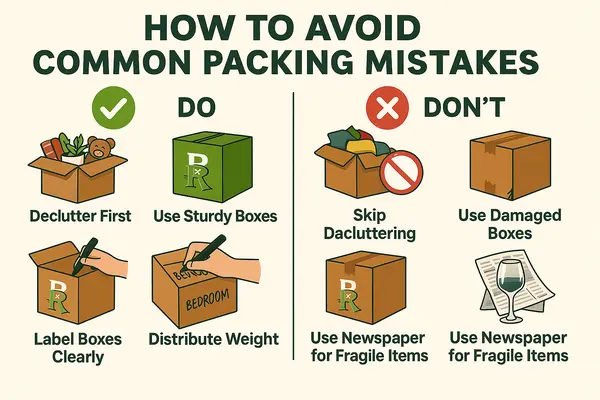
Use sturdy boxes, bubble wrap, and labels.
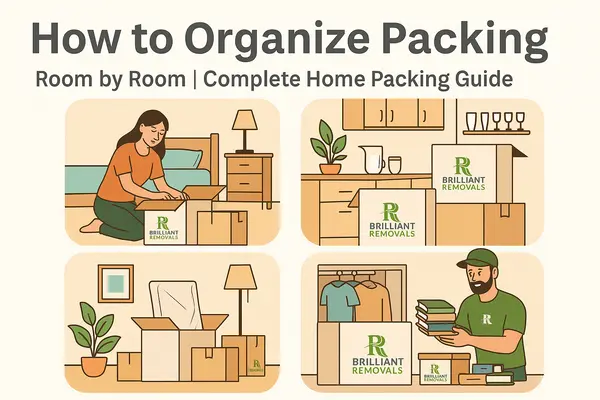
Our full guide — How to Pack a House for Moving — walks you through room-by-room strategies to save space and avoid breakage.
2 Declutter Beforehand
Sell or donate what you don’t need. This reduces moving costs and helps you settle faster.
3 Keep Essentials Handy
Always pack a small “first night box” with toiletries, documents, snacks, chargers, and bedding.
4 Furniture and Assembly
If your furniture can be dismantled, do it before moving day. It saves space in the van and prevents damage.
If you have a cooker or appliances, disconnect them beforehand — movers usually aren’t licensed to handle gas or electrical disconnections.
More info: Preparing to Move Tips
Choosing the Right London Neighbourhood
London’s neighbourhoods each have their own personality. Here’s a quick guide based on lifestyle:
| Lifestyle | Suggested Areas |
| Young Professionals | Shoreditch, Canary Wharf, Clapham |
| Families | Richmond, Wimbledon, Greenwich |
| Students | Camden, Bloomsbury, Finsbury Park |
| Budget Seekers | Barking, Croydon, Tottenham |
| Luxury Living | Kensington, Chelsea, Hampstead |
When viewing properties, always ask:
Are there grocery shops, schools, or parks within walking distance?
What’s the average commute time?
Is public transport nearby?






 Google 5.0


