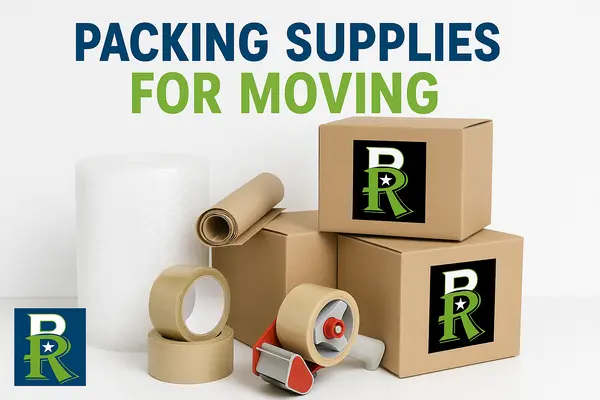
Packing Supplies For Moving
Preparing for a move can feel overwhelming, but it all starts with one thing — the right packing supplies. Whether you’re relocating to a new apartment or an entire house, having quality boxes for moving and the proper tools can save you time, effort, and money.Before you even start taping boxes, take a moment to plan your packing approach. Think about what rooms to start with, which items you’ll need first, and how many packing boxes you’ll require. Having a well-thought-out plan helps you stay organised and reduces stress as moving day approaches.
Why Quality Packing Boxes Matter
Choosing the right packing boxes for moving is more important than most people realise. Low-quality or reused boxes can easily collapse or tear during transport, risking damage to your belongings. Investing in sturdy moving boxes ensures your valuables stay safe and secure.
Here’s why quality boxes for moving make a difference:
- Durability: They can hold heavier items without bending or breaking.
- Stackability: Uniform-sized boxes make loading the van easier.
- Protection: Thick cardboard offers better shock resistance for fragile items.
Tip: Always have a few extra packing boxes on hand. You’ll often discover more items to pack than you initially expected.
Essential Packing Supplies to Gather
Once you’ve decided on the number and type of packing boxes needed, it’s time to gather the rest of your supplies. Having everything ready before you begin can help you stay on schedule and make the process more efficient.
1. Boxes for Moving
Start with small boxes for heavy items such as books, cutlery, and tools.
Use medium boxes for home decor, clothing, and toys.
Reserve large boxes for light and bulky items like linens, cushions, and lampshades.
Tip: If you’re packing fragile items, use double-walled boxes for moving to add extra strength and protection.
2. Packing Tape
Invest in high-quality adhesive packing tape — it’s your first line of defence against boxes opening mid-move. Reinforce seams and corners for extra security, and always have spare rolls nearby.
3. Utility Knife or Scissors
A utility knife makes unpacking much easier and prevents damage to contents when opening sealed boxes. Keep it handy throughout your move.
4. Permanent Markers
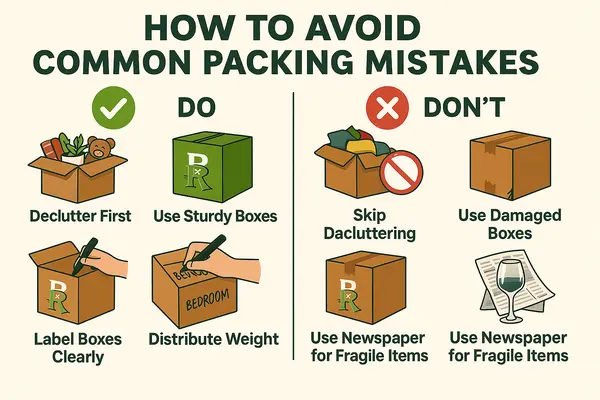
Labelling each box clearly saves hours of confusion later. Write the room name and a quick description (for example: “Kitchen – Glassware” or “Bedroom – Winter Clothes”).
Bonus tip: Use coloured markers to colour-code boxes for each room.
5. Plastic Bags
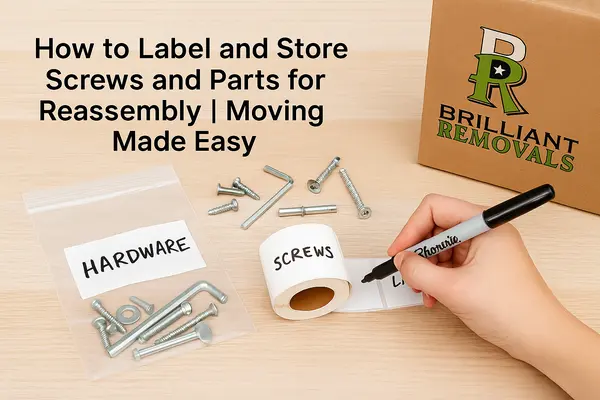
Use resealable plastic bags to hold small hardware like screws, bolts, and nails. Label them according to the furniture they belong to — it makes reassembly effortless.
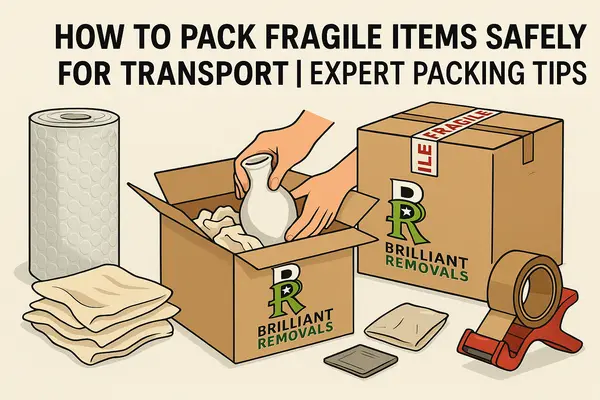
6. Bubble Wrap and Blankets
Protect delicate items with bubble wrap, old towels, or moving blankets. For glassware, wrap each item individually and fill empty spaces in boxes with crumpled paper or soft material to prevent shifting.
7. Stretch Wrap and Packing Paper
Stretch wrap is useful for wrapping furniture, keeping drawers and doors closed. Packing paper is perfect for separating dishes, photo frames, and other fragile items.
8. Trolley or Dolly
A trolley or dolly helps you move heavy boxes safely without straining your back. It’s especially useful for large appliances or furniture.
Packing Tips to Stay Organised
A smooth moving experience starts with good organisation. Here’s how to keep control of the chaos:
- Start with lesser-used rooms: Begin with spaces like the attic, basement, or guest room.
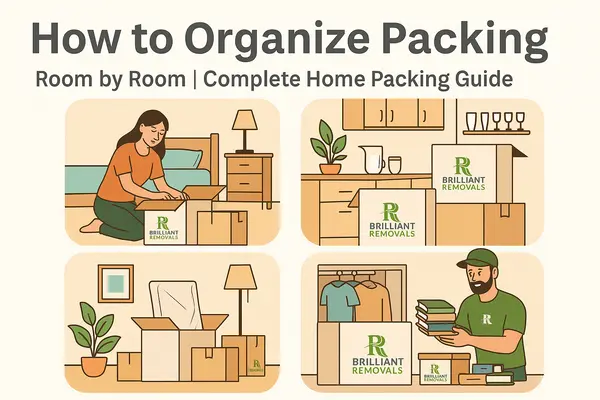
- Pack room by room: Keep items from each space together — for example, all kitchenware in one set of packing boxes.
- Label everything: Write both the destination room and a brief description of contents.
- Use quality supplies: Don’t skimp on sturdy boxes for moving, bubble wrap, and packing tape.
- Pack smart: Heavy items go at the bottom, lighter items on top.
Sustainable Packing Options
If you’re conscious about the environment, consider reusing or renting eco-friendly packing boxes for moving. Many moving supply companies offer reusable plastic crates that can be returned after use. You can also repurpose household items like baskets, hampers, or suitcases to reduce waste.
Conclusion
Packing for a move can seem like an endless task, but with the right mindset and packing supplies, you’ll find it much more manageable. Start early, stay organised, and use durable packing boxes to protect your belongings.
Remember, preparation is everything. Having a clear plan and the right materials will not only make packing smoother but also make unpacking at your new home a breeze. Soon, you’ll be surrounded by your familiar belongings, comfortably settled in your new space — all because you packed smart.



 Google 5.0


