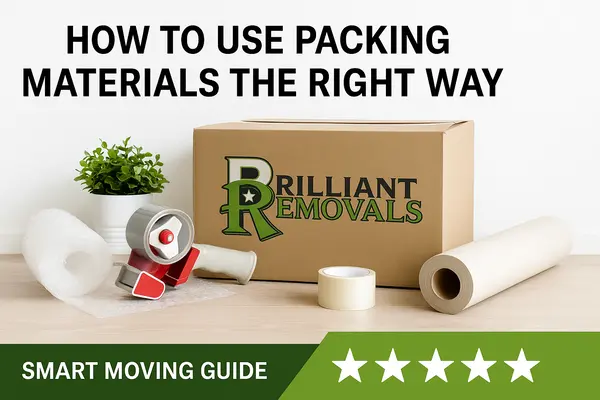
How to Use Packing Materials the Right Way
When planning a move, it’s easy to underestimate the importance of packing materials. But the truth is, choosing and using them correctly can make or break your moving experience.
From preventing scratches on furniture to keeping fragile items safe in transit, using packing materials the right way ensures your possessions arrive in perfect condition.
This guide explains everything you need to know — what materials to use, when to use them, and how to avoid the most common packing mistakes.
Why the Right Packing Materials Matter
Efficient use of packing materials helps you:
- Speed up unpacking with clear labelling and organisation.
- Protect fragile items from impact and vibration.
- Prevent moisture or dust damage.
- Save money by avoiding overuse or waste.
Essential Packing Materials You’ll Need
Here’s a quick reference table to help you understand what each material is best suited for:
| Material | Purpose | Best Used For |
| Cardboard Boxes | Structure & containment | General items, books, clothing |
| Bubble Wrap | Cushioning & shock absorption | Glassware, electronics, fragile decor |
| Packing Paper | Surface protection & wrinkle reduction | Plates, dishes, anti-scratch wrapping |
| Packing Peanuts / Foam | Filling gaps in boxes | Small gaps around fragile items |
| Plastic Stretch Wrap | Securing drawers & furniture | Dressers, wardrobes, chairs |
| Packing Tape | Sealing & reinforcing | All boxes and wrappings |
| Labels & Markers | Identification | Room labels, fragile warnings |
Pro Tip:
Invest in double-walled boxes for heavy or fragile items — they provide extra strength without adding much cost.
How to Use Boxes Efficiently
Choose the right size:
- Small boxes → books, tools, small appliances.
- Medium boxes → kitchen items, toys, decor.
- Large boxes → light but bulky items (bedding, clothes).
Reinforce the bottom:
Use two layers of packing tape in a “+” shape for strength.
Distribute weight evenly:
Heavier items on the bottom, lighter on top.
Leave no empty space:
Fill gaps with crumpled paper or foam peanuts to prevent movement.
Mastering Bubble Wrap and Foam
Bubble Wrap Tips
- Bubbles face inwards to absorb impact.
- Wrap items twice for extra fragility (glass or porcelain).
- Secure wrap with tape — not too tight to avoid crushing.
Foam Sheets and Packing Peanuts
- Use foam sheets between plates and mirrors.
- Avoid using loose peanuts for very heavy items — they shift under weight.
Pro Mover’s Hack:
Use small bubble wrap for glassware and large bubble wrap for electronics and furniture corners.
Using Packing Paper Properly
Packing paper is versatile, eco-friendly and ideal for delicate items.
- Avoid using newspaper — the ink can smudge and stain surfaces.
- Line boxes with paper before placing items inside.
- Wrap each item individually.
- Crumple paper to fill gaps and prevent shifting.
Protecting Furniture and Large Items
Furniture requires different care than smaller items.
| Item Type | Material to Use | Method |
| Wooden furniture | Plastic wrap + blankets | Wrap completely to avoid scratches |
| Sofas & mattresses | Plastic wrap or mattress covers | Keep clean and dust-free |
| Chairs & tables | Bubble wrap corners + blankets | Protect edges and legs |
| Appliances | Foam padding + strap securely | Prevent shifting in transit |
Eco Tip:
Use old duvets or towels instead of plastic for extra padding — they’re washable and reusable.
Relevant Articles:
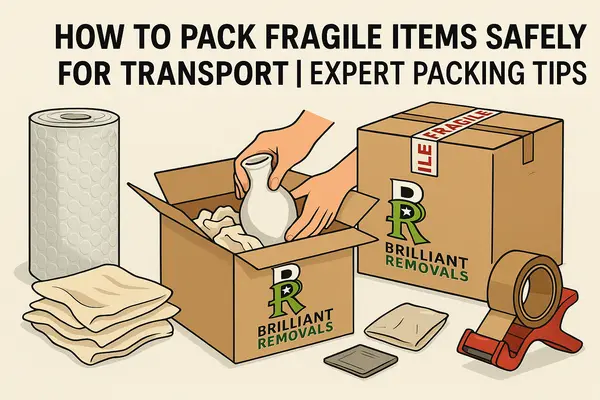
How to Pack Fragile Items Safely for Transport
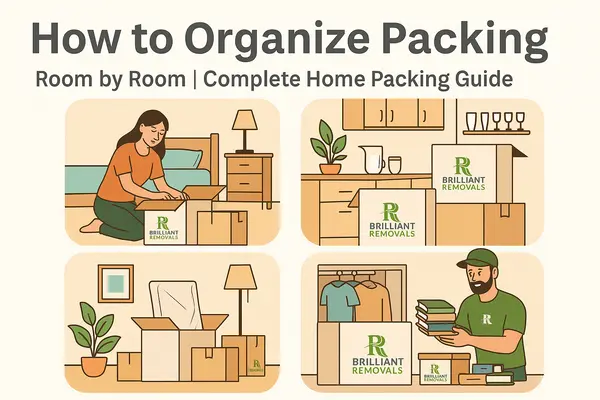
Label Like a Pro
Correct labelling saves hours of guesswork later.
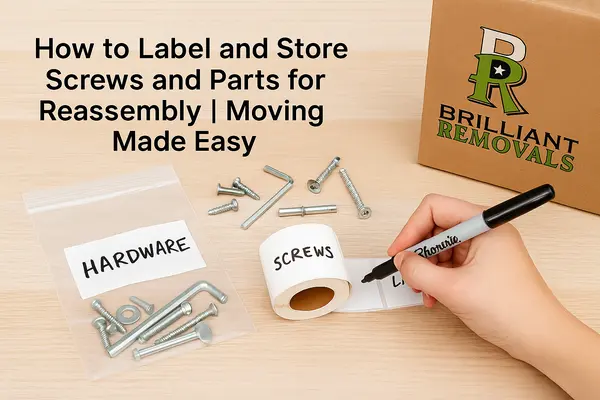
- Write the room name on every box.
- Add handling notes like “Fragile” or “This Side Up”.
- Use colour-coded stickers for each room.
| Colour | Room |
| Blue | Kitchen |
| Yellow | Bedroom |
| Green | Living Room |
| Red | Fragile Items |
| Orange | Bathroom |
Relevant Articles:
How to Label Boxes for an Easy Unpacking Process
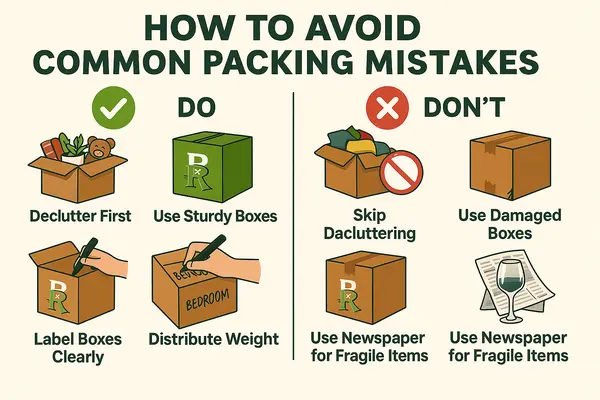
Avoid These Common Mistakes
| Mistake | Problem Caused | Correct Approach |
| Using used boxes for fragile items | Weak protection | Reserve sturdy boxes for delicate items |
| Over-taping boxes | Wastes tape, hard to open | One layer across centre is enough |
| Skipping labels | Confusion unpacking | Label each side clearly |
| Using newspaper for china | Ink transfer | Use acid-free packing paper |
| Mixing heavy and light items | Box collapse | Pack by weight category |
Relevant Articles:
How to Avoid Common Packing Mistakes
Eco-Friendly Alternatives
Moving can generate waste, but there are green alternatives:
- Donate excess packing materials after the move.
- Reuse boxes from local shops or friends.
- Choose biodegradable packing.
- Use cloth bags for soft items.
Professional Packing Help
If you’re short on time or want maximum protection, hire experts.
Brilliant Removals London provides:
- Full or partial packing services
- Eco-friendly materials
- Furniture disassembly and wrapping
- Door-to-door insurance coverage
Professionals know exactly how to use each material — saving you money and stress while keeping your items safe.
Summary
Using packing materials the right way is an investment in a smooth move.
By understanding which material works best for each item and avoiding common mistakes, you’ll save space, time and stress.
Whether you’re moving across London or relocating long distance, Brilliant Removals offers professional packing and moving services tailored to your needs — ensuring your belongings arrive safely and efficiently.

 Google 5.0


