
How to Protect Furniture Parts During Disassembly and Transport
Whether you’re moving across London or even just a few streets away, one of the biggest challenges you’ll face is keeping your furniture safe during the process. After all, from delicate wooden panels to metal fittings and glass surfaces, each part needs special care to prevent scratches, dents, or breakage.
At Brilliant Removals London, we’ve mastered the art of moving — from disassembling large furniture to carefully protecting every single piece during transport. In this guide, we’ll therefore share expert techniques, essential materials, and step-by-step strategies so that your furniture stays completely damage-free throughout your move.
Why Furniture Protection Matters
When you disassemble furniture, you expose joints, screws, edges, and surfaces that are often more fragile than they appear.
Without proper protection, they can easily:
- Get scratched or chipped in the van
- Lose small parts like screws and bolts
- Develop cracks or dents when stacked incorrectly
- Become unstable or misaligned after reassembly
Taking the time to wrap and label each component can save you hours of frustration — and money on repairs or replacements later.
Essential Materials for Furniture Protection
Here’s a list of professional-grade materials you should have ready before you start packing or disassembling.
| Material | Purpose / Use Case |
| Bubble Wrap | Cushions fragile surfaces like glass, mirrors, or lacquered wood |
| Moving Blankets | Protects large surfaces from scratches and dents |
| Furniture Pads | Adds padding between stacked panels |
| Stretch Film (Plastic Wrap) | Holds parts together and prevents scuffing |
| Packing Paper / Foam Sheets | Protects delicate finishes without residue |
| Masking Tape / Painter’s Tape | Secures wrapping material without damaging surfaces |
| Ziplock Bags | Stores screws, bolts, and fittings |
| Cardboard Sheets / Edge Guards | Protects corners and edges |
| Permanent Marker & Labels | For identification and reassembly |
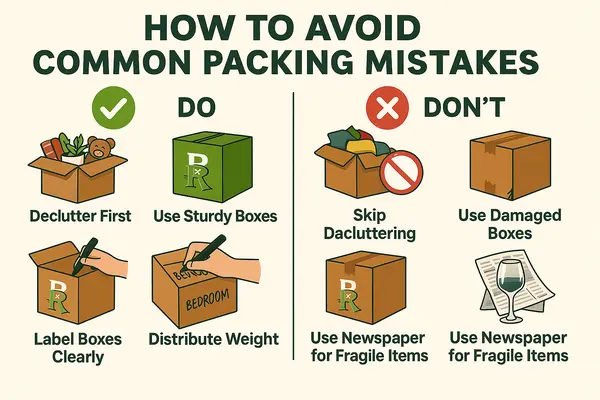
Tip: Avoid using newspaper — the ink can transfer onto wood or fabric surfaces.
Step-by-Step: How to Protect Furniture Parts During Disassembly
Let’s go through the professional process step-by-step so you can protect every part effectively.
Step 1: Prepare a Clean, Soft Workspace
Before starting, clear an open area where you can safely disassemble furniture. Lay down a soft blanket or carpet to prevent scratches if any parts fall. Avoid working on hard floors, especially for polished or glass furniture.
Step 2: Remove Small Components First
Start with:
- Handles
- Knobs
- Shelves
- Drawers
- Legs or bolts
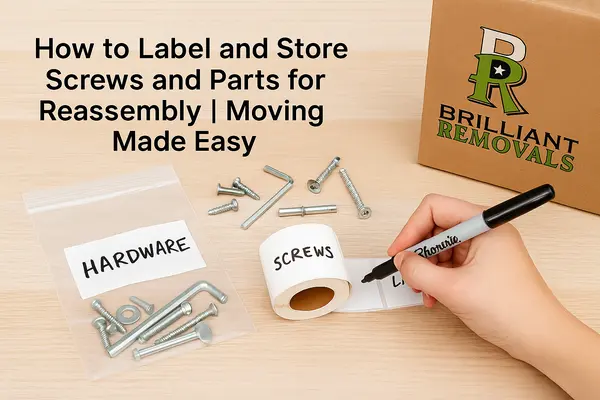
Keep these in labelled ziplock bags, and tape them to the underside of the main furniture part or place them in a dedicated “Hardware Box.”
| Example Label System | Description |
| “Wardrobe – Left Door Screws” | 8 pcs |
| “Bed Frame Bolts – Headboard” | 4 pcs |
| “Sofa Connectors – Right Side” | 6 pcs |
Pro Tip: Use masking tape and write directly on it — no sticky residue, and labels won’t fall off.
Step 3: Protect Fragile Surfaces and Edges
Different materials need different protection techniques.
Wooden Furniture:
- Wrap each panel in moving blankets or foam sheets.
- Use stretch film to hold them together.
- Avoid direct tape contact with varnished surfaces.
Glass or Mirrors:
- Apply X-shaped tape across the surface to prevent shattering.
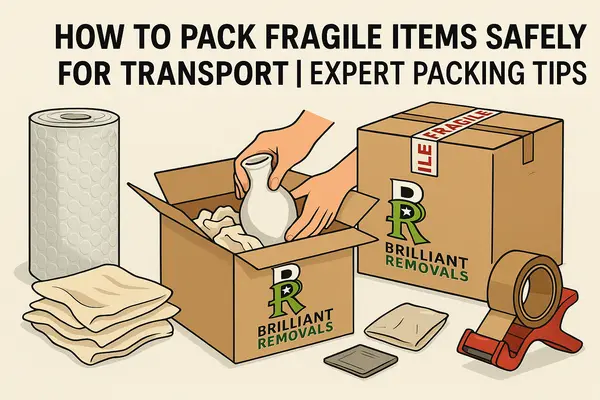
- Wrap in bubble wrap, then sandwich between cardboard sheets.
- Clearly label as “FRAGILE – GLASS” on both sides.
Upholstered Furniture:
- Cover with plastic wrap or sofa covers to protect against dust and moisture.
- Avoid wrapping too tightly — fabric needs slight ventilation.
Metal or Chrome Parts:
- Use foam sheets or cloth padding to avoid scratches.
- Ensure the metal is dry before wrapping to prevent rust.
Step 4: Bundle Similar Parts Together
After disassembling, group similar items:
- Bed slats
- Wardrobe panels
- Chair legs
- Shelves
Use stretch wrap or rope to bundle them securely, then label each bundle clearly:
“Bed Frame – Side Panels”
“Wardrobe – Back Panels”
Pro Tip: Always place padding between stacked panels to prevent friction damage.
Step 5: Label Each Part for Easy Reassembly
Labelling isn’t just for convenience — it helps prevent mismatched assembly and damage.
Use masking tape or sticker labels with short notes like:
- “Wardrobe Left Side – Inside Facing”
- “Bed Headboard – Top Edge”
So, you can also number panels in assembly order (1, 2, 3, etc.) for easy reference.
Step 6: Use Protective Wrapping Before Loading
Before moving the furniture to the van:
- Double-check all wrapped items.
- Tighten stretch wrap if needed.
- Reinforce corners with cardboard protectors.
If you’re using a professional moving service like Brilliant Removals London, our team surely brings furniture pads, straps, and edge protectors to secure everything properly in the van.
Specialised Help for Elderly Moves
Even the best wrapping won’t protect furniture if it’s stacked or loaded carelessly. Here’s how to transport disassembled furniture without damage.
| Loading Step | What to Do |
| Plan the Layout | Load large, flat items (like panels) against the walls of the van. |
| Use Padding | Place moving blankets between each item to prevent friction. |
| Secure with Straps | Tie down large items to prevent sliding. |
| Keep Fragile Items Upright | Transport glass, mirrors, or tall panels vertically. |
| Avoid Overloading | Don’t pile items on top of delicate surfaces. |
Pro Tip: Never stack heavy boxes on furniture parts — it can cause bending or cracking during transport.
Protecting Hardware and Small Components
One of the most common moving mistakes is losing screws or fittings.
Here’s how to keep them safe:
- Use ziplock bags — one per furniture item.
- Label clearly (e.g., “Desk Bolts – Drawer Handles”).
- Tape bags to furniture parts or keep all in one container.
- Carry the hardware box separately in your car or with essentials.
Common Furniture Protection Mistakes
| Mistake | Why It’s Risky | How to Avoid It |
| Using plastic directly on wood | Traps moisture, causes damage | Use a soft layer first |
| Forgetting to label items | Confusing reassembly | Use clear masking tape labels |
| Over-tight wrapping | May warp wood | Wrap loosely with padding |
| Stacking heavy panels | Causes dents | Use furniture pads in between |
| Using low-quality tape | Leaves residue or tears wrapping | Use painter’s tape or quality stretch film |
Professional Techniques Used by Movers
At Brilliant Removals London, we use tried-and-tested techniques for maximum protection:
- Quilted blankets and padded covers for large furniture
- Cardboard corner guards for tables and cabinets
- Shrink wrap sealing for dust-free protection
- Foam edge buffers for glass and mirrors
- Special handling straps to reduce movement in vans
We also take an inventory of every disassembled part, ensuring nothing is misplaced or damaged during the move.
After the Move: Safe Unwrapping and Inspection
Once you arrive at your new home:
- Unload large panels first and lean them against walls.
- Check for any signs of damage before removing wrapping.
- Open hardware bags one at a time to avoid mixing screws.
- Use your labels and photos for smooth reassembly.
Pro Tip: Never rush unwrapping — removing tape or wrap too quickly can damage varnish or fabric.
When to Hire Professionals
If your move involves:
- Antique or designer furniture
- Large wardrobes or beds
- Glass-topped or modular units
- Tight staircases or hallways
…it’s best to call professional movers.
Our Brilliant Removals London team has years of experience handling complex moves. We provide:
- Full insurance cover for added peace of mind
- Disassembly and reassembly
- Furniture wrapping and padding
- Protective transport loading
Relevant Articles:
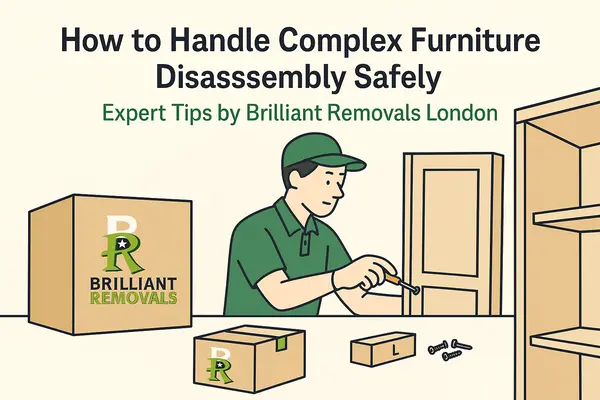
Handle Complex Furniture Disassembly Safely
Disassemble Furniture Before a Move
Label and Store Screws and Parts for Reassembly
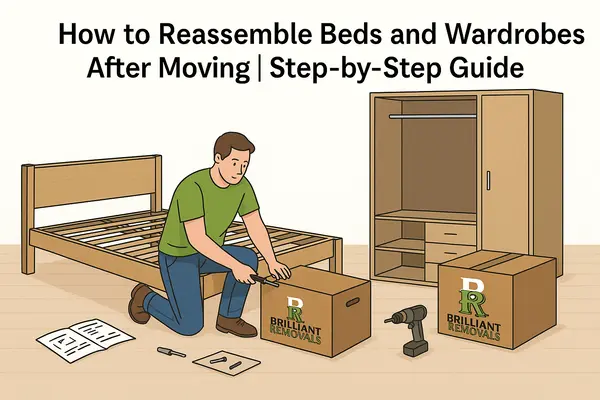
Reassemble Beds and Wardrobes After Moving
Summary
Protecting your furniture parts during disassembly and transport isn’t just about wrapping — it’s about planning, organising, and labelling smartly.
With the right materials and a careful approach, you can move even the most delicate items without a scratch.
If you prefer a stress-free, damage-free move, trust Brilliant Removals London to handle everything — from safe disassembly to expert transportation and reassembly at your new home.




 Google 5.0


